
Learning effective affiliate marketing strategies for beginners is a great way to start earning online without needing to build your own product or service. There is a lot to understand, from picking the right products to learning how to earn those first commissions. The goal here is to provide a clear overview of how beginners can take their first steps into affiliate marketing and build strong habits that help them succeed.
(This post contains affiliate links. If you make a purchase through these links, I may earn a commission at no extra cost to you.)
💡 TL;DR – Affiliate Marketing Strategies for Beginners
Affiliate marketing is one of the easiest and most accessible ways for beginners to start earning income online without creating their own product. This guide breaks down step-by-step affiliate marketing strategies for beginners to help you choose the right niche, find reputable affiliate programs, and build trust through valuable, honest content.
Key takeaways:
- Start with a niche you enjoy and understand to build long-term motivation and trust.
- Join trusted affiliate programs with fair commissions and solid tracking tools and reputation.
- Focus on creating helpful, problem-solving content rather than just posting links.
- Be patient. Success in affiliate marketing comes with consistency and learning over time.
- Use A/B testing, social proof, and analytics to optimize your results as you grow.
Whether you’re blogging, using YouTube, or building on social media, this beginner-friendly affiliate marketing guide gives you a powerful foundation for growing income online.

Why Affiliate Marketing Appeals to Beginners
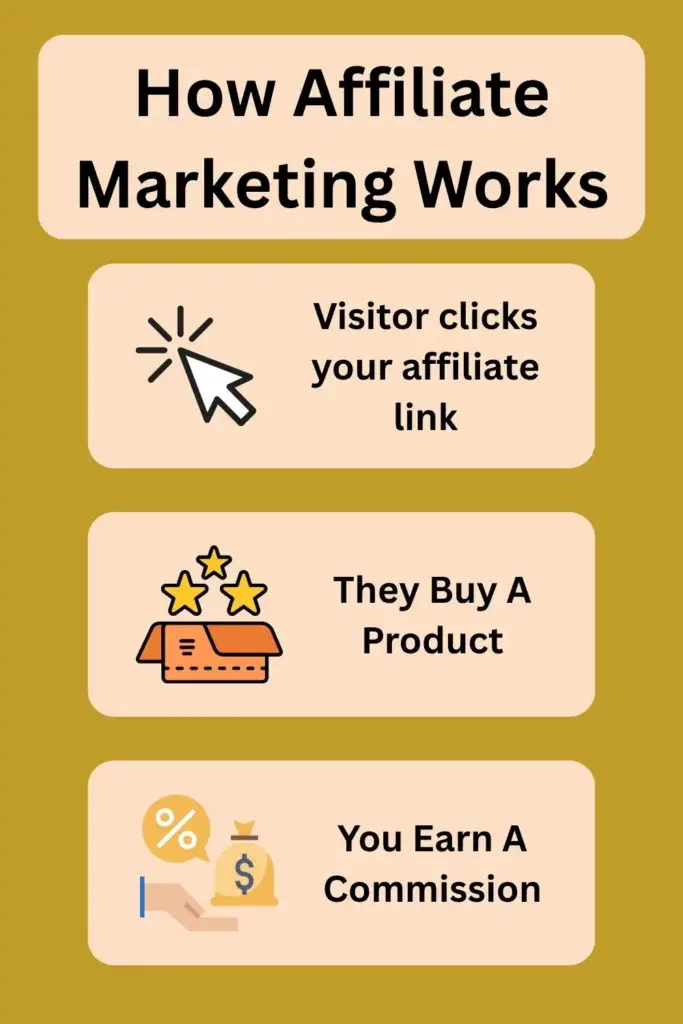
Affiliate marketing has become popular because it is accessible, requires minimal upfront investment, and offers a flexible way to earn money online. The basic principle is simple: promote products or services from others, then earn a percentage of sales made through your own unique affiliate links. This takes away the pressure of customer service or order fulfillment, letting you focus on sharing valuable recommendations.
Worldwide, the affiliate marketing industry is expected to surpass $15 billion, which shows how much growth and opportunity exists. Major online retailers like Amazon, Walmart, and many SaaS companies use affiliate programs to reach wider audiences. This means you can start by picking products or services in areas that are truly of interest, which makes the process more enjoyable and sustainable.
Affiliate marketing is not a new idea. It started growing quickly in the late 1990s when ecommerce took off. The model’s popularity continues to grow as people look for trustworthy recommendations while shopping online. For beginners, the key ingredients are patience, a willingness to learn, and an understanding of how to connect products with the right audiences.
This approach especially appeals to people balancing family, job commitments, or other responsibilities. You can set your own pace, manage your time with flexibility, and grow at a rate that matches your own goals. The low barriers to entry – no need to stock inventory, ship products, or create new solutions – make it attractive for people from all backgrounds.
Choosing the Right Affiliate Programs
One thing to remember for new affiliate marketers is to select affiliate programs carefully. Each program comes with its own commission structure, payment terms, and product selection. Some programs only pay a small percentage, while others offer more per sale but may be tougher to promote. Picking the right mix of programs tailored to your audience and interests will lead to more consistent results.

Some popular affiliate programs are Amazon Associates, ShareASale, CJ Affiliate, and individual company programs like those from Bluehost or Target. Read through each program’s requirements and make sure the products will actually be relevant to your readers. As a beginner, here’s what to look for in a user friendly affiliate program:
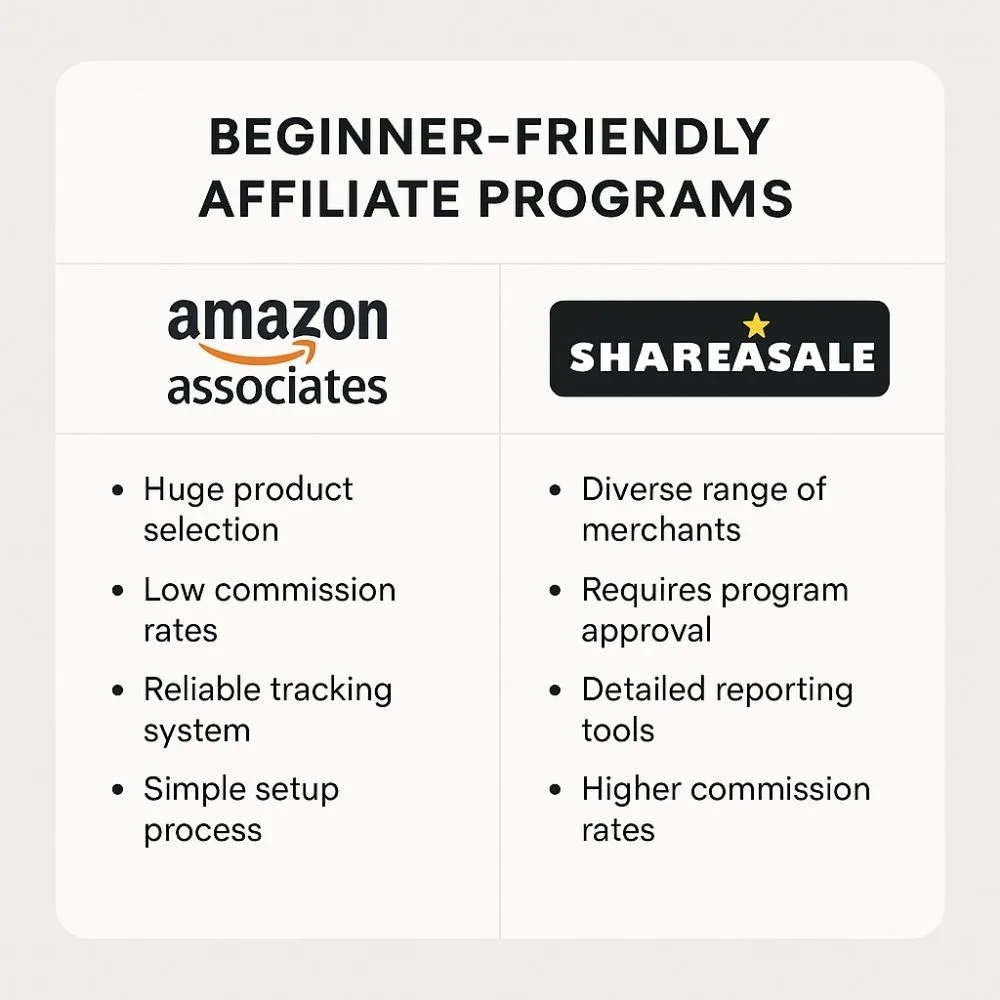
- Reasonable commission rates: Higher percentages can lead to faster earnings.
- Reliable tracking and reporting: Easy to read dashboards help to check clicks, sales, and commissions.
- Helpful support resources: Good training materials to help teach faster and avoid mistakes.
- Trusted brands: Well known companies make recommendations more reliable to readers.
Careful research helps buyers make informed decisions, so focus on programs that put transparency and user value first. I also recommend checking user reviews and discussion forums. These give a sense of how reliable and supportive each program is before you sign up.
Start with a Niche You Genuinely Enjoy
Picking a niche will make a big difference when starting. Instead of sharing every product under the sun, focus on topics you enjoy. This will help you stay motivated and can encourage you to learn more about your audience’s needs. A niche also cuts down on competition because you can target more specific groups of people.
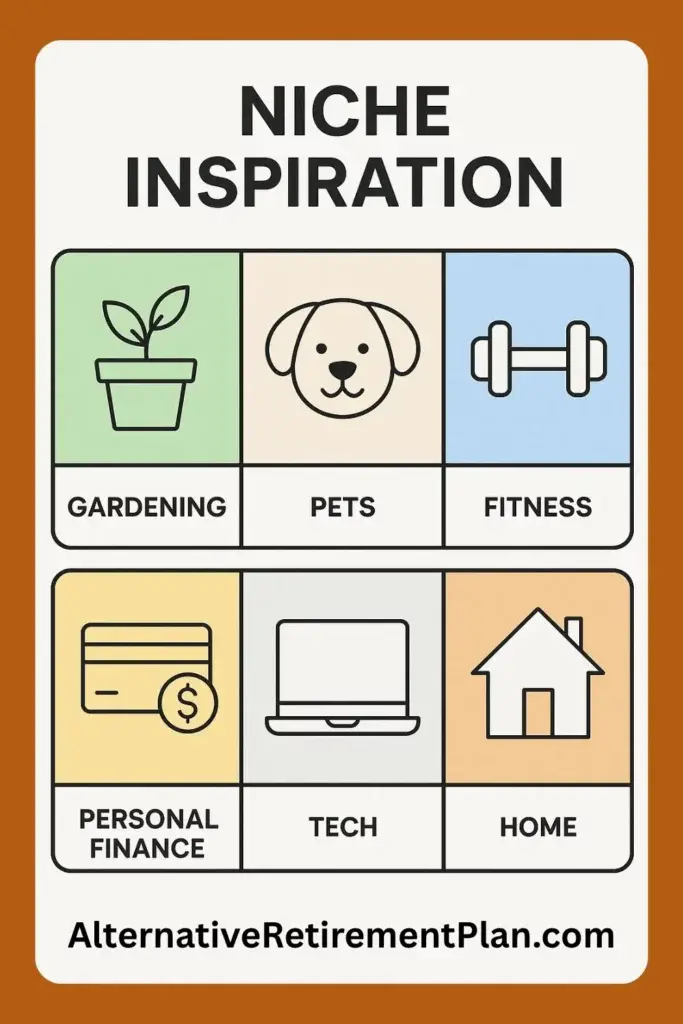
Niches that work well for beginners include personal finance, health and wellness, home improvement, fitness, beauty, and hobby based markets like gardening, cooking, or pet care. Beginners should start with a list of their interests and research which affiliate programs match up with those areas. This genuine connection will help you write better recommendations and build trust with readers. Dig into forums, subreddits, or social media groups in your niche. This lets you tap into real conversations and spot the biggest problems your audience faces.
If you love what you’re recommending, you’ll find it much easier to keep creating content. Your passion will come through and help you connect with readers.
Key Steps to Launch Your Affiliate Marketing Strategy
Affiliate marketing can feel like juggling many skills at once. Breaking the process down makes it much easier. Here’s how to organize your workflow:
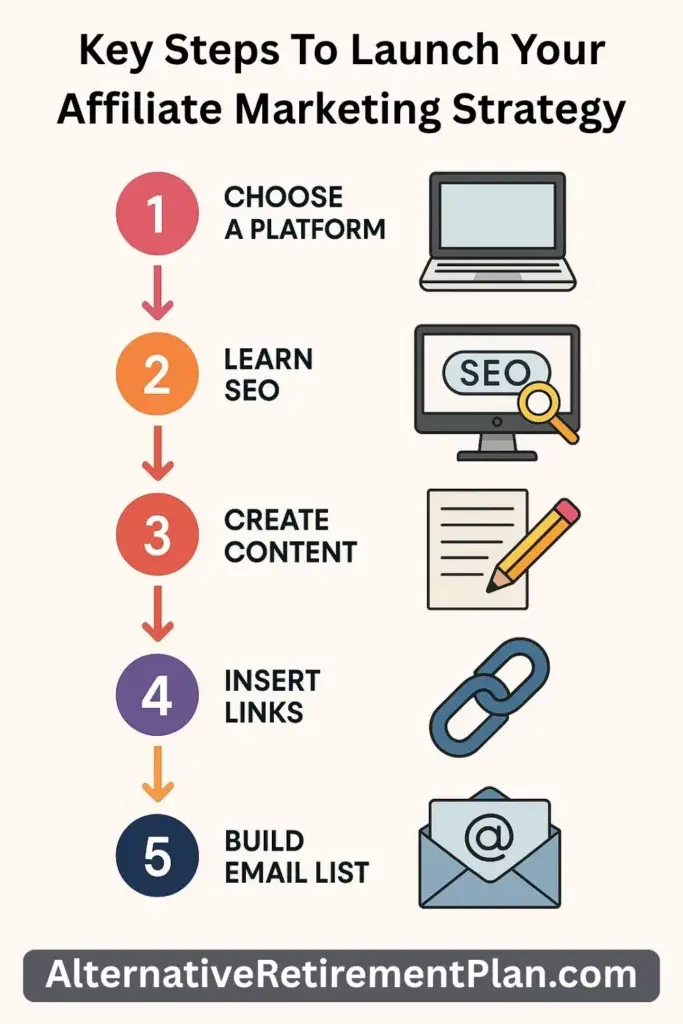
- Choose a Web Platform: Build presence on a blog, YouTube channel, social media, or through a newsletter.
- Learn Basic SEO: Search engine optimization helps people find reviews and guides. Use simple keyword tools to track down what folks are searching for, then structure content accordingly.
- Create Helpful Content: Instead of just pushing links, share honest reviews, best of guides, and problem solving tutorials.
- Use Affiliate Links Properly: Always disclose when links are affiliate links. Use proper link formatting and tracking tools
- Build an Email List: Collecting emails lets you send out product updates, bonus content, and exclusive deals. Simple lead magnets or checklists work well for attracting subscribers early on.
Each of these steps can help you avoid feeling overwhelm and work more efficiently. Small, consistent actions beat rushed, scattered efforts every time. As you grow, continue to update your content, reply to comments, and ask your audience what they need. This regular feedback makes sure your approach never goes stale.

Challenges Beginners Might Face (And Simple Ways to Overcome Them)
Starting affiliate marketing comes with hurdles, but they get easier as you gain experience. Here are some issues along with how to deal with them:
- Low Website Traffic: Growing an audience takes time. Focus on writing detailed posts and promote them in forums and Facebook groups related to the niche.
- Content Consistency: At first, it can be hard to post regularly. Try setting up a simple calendar and batch writing into one or two days each week. This routine may help keep things manageable.
- Overwhelming Choice of Programs: Stick to one or two programs at first. Once you understand how they work and start earning, slowly added more.

None of these challenges can make you quit. Instead, treat them as signals for where to learn more or switch up the process. Persistence pays off as your knowledge improves, and soon, the problems that once seemed huge become second nature. It helps to celebrate small wins along the way. Getting your first comment, earning your first commission, or hitting a new traffic milestone helps you stay motivated.
Advanced Tips for Faster Growth
Once you are comfortable with the basics, a few advanced techniques can speed up your affiliate income:
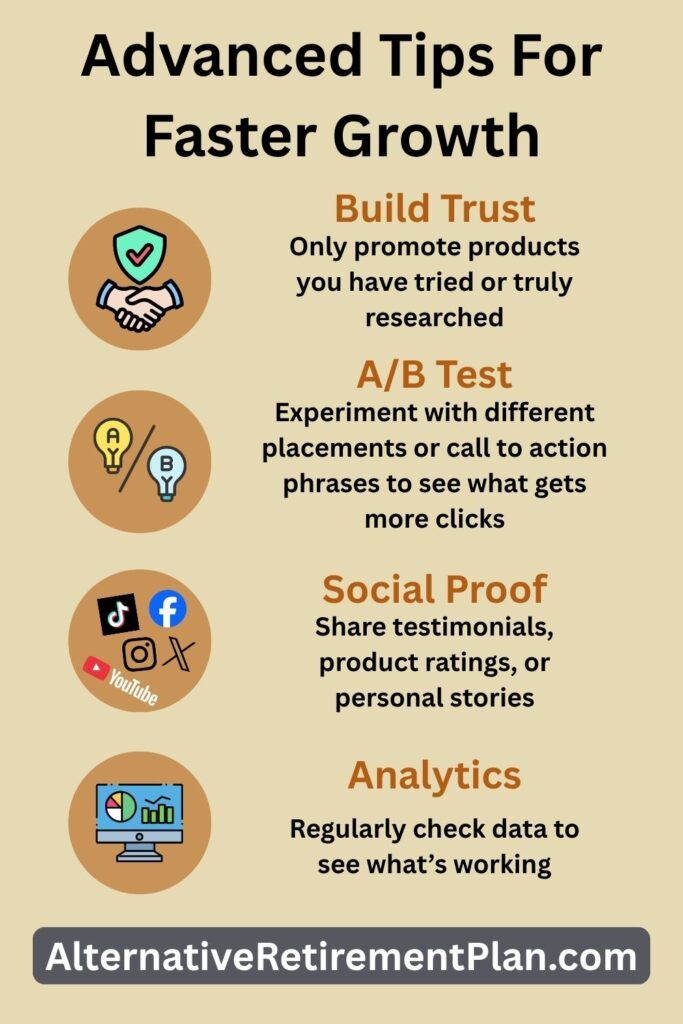
- Build Trust: Only promote products you have tried or truly researched. Detailed, honest reviews work better than hype. Readers return when they know they’re getting real advice.
- A/B Test Your Links: Experiment with different placements or call to action phrases to see what gets more clicks. Small changes, such as using buttons instead of text links, often increase performance.
- Tap Into Social Proof: Sharing testimonials, product ratings, or personal stories makes recommendations more relatable and believable.
- Use Analytics: Regularly checking data lets you see what’s working and what needs improvement. Use free tools like Google Analytics for traffic and affiliate dashboards for click and sales data.
Combining these strategies can help you earn more from the same number of visitors and keep your audience loyal and involved. Teaming up with other creators in your niche can also fast track your progress. Guest posts, co-hosted videos, or shout outs expose your work to new audiences quickly.
Real-World Impact and Results
Affiliate marketing can help small businesses grow by offering reviews, tutorials, or resource lists that customers find genuinely helpful. Readers gain value from my research, while the promoter benefits by earning commissions on the products they choose to buy through the links. This mutual benefit creates a simple but powerful online ecosystem. Schools, local shops, and non profit groups can get creative and make some extra money for their projects using these same strategies, showing just how flexible and widespread affiliate marketing success can be.

Affiliate Marketing Strategies For Beginners – Key Takeaways
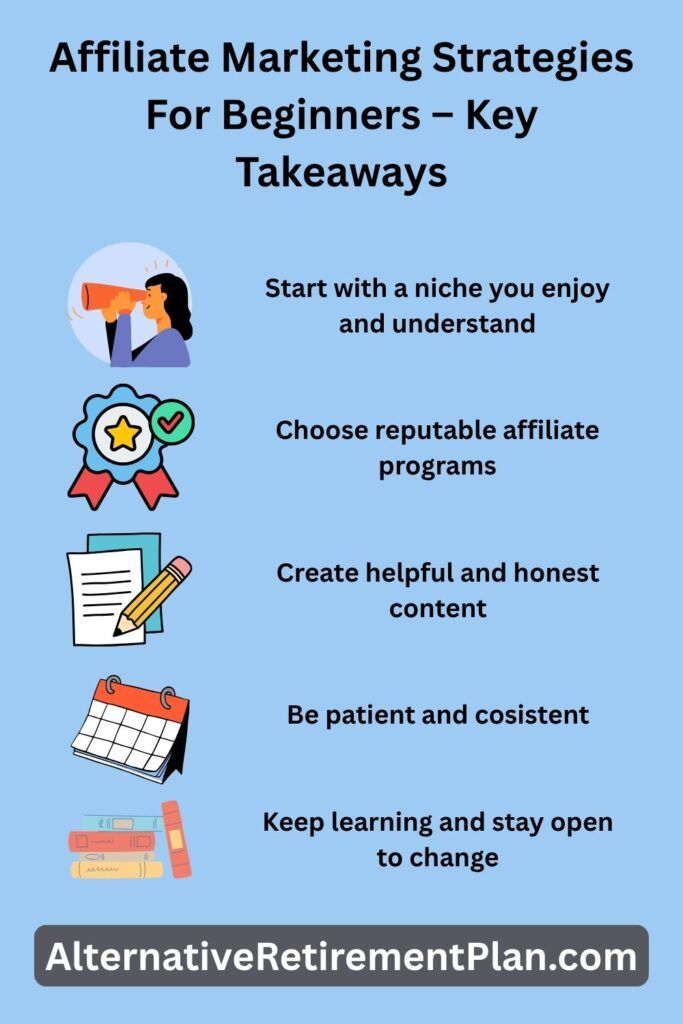
- Start with a niche you enjoy and understand.
- Choose reputable affiliate programs and learn their rules.
- Create helpful and honest content that solves real problems or answers common questions.
- Be patient. Results come with consistency and learning from your own experience.
- Stay open to learning. Affiliate marketing trends change, and adapting keeps you ahead.
Frequently Asked Questions About Affiliate Marketing Strategies For Beginners
Affiliate marketing strategies for beginners are often surrounded by questions, especially when it comes to earning potential, practical steps, and how to get started without experience. Here are some of the most frequent questions from beginners, along with straightforward answers to help you move forward:
🚀 How do I start affiliate marketing as a beginner?
Choose a niche you care about, sign up for beginner friendly affiliate programs, and create content that matches what your audience is searching for. Focus on building trust and providing value before worrying about earnings.
🏆 What are the best platforms for affiliate marketing beginners?
Top platforms for beginners include personal blogs (WordPress), YouTube, and social media sites like Instagram, Pinterest, and TikTok. Each platform works well for different niches, so pick the one you are most comfortable with or enjoy using.
📈 How can I increase my affiliate marketing earnings?
Boost earnings by creating detailed product guides, growing an email list, and testing different types of content. Pay attention to which posts and channels bring you the most sales, and double down on those efforts.
🌍 Do I need a large audience before making money as an affiliate?
Not at all. Even a small, engaged group can generate meaningful commissions if you focus on helping them solve specific problems. The key is to offer real value, not just traffic numbers.

What’s your biggest question or challenge about getting started with affiliate marketing? Share your thoughts below. I’d love to hear your experience and offer advice that fits your situation. Remember, your first step is the hardest, but with determination and learning, you can build your own affiliate success story.